A spinning reel is the reel most anglers learn on, and for most freshwater fishing it’s still the better tool even after you know how to run something fancier. It hangs below the rod instead of on top, the spool stays fixed instead of spinning during the cast, and that one difference is why it doesn’t produce the tangled mess of a backlash the way a baitcaster can. That forgiveness is the whole appeal, but it’s not the only spec that matters once you’re picking a specific reel off a shelf.
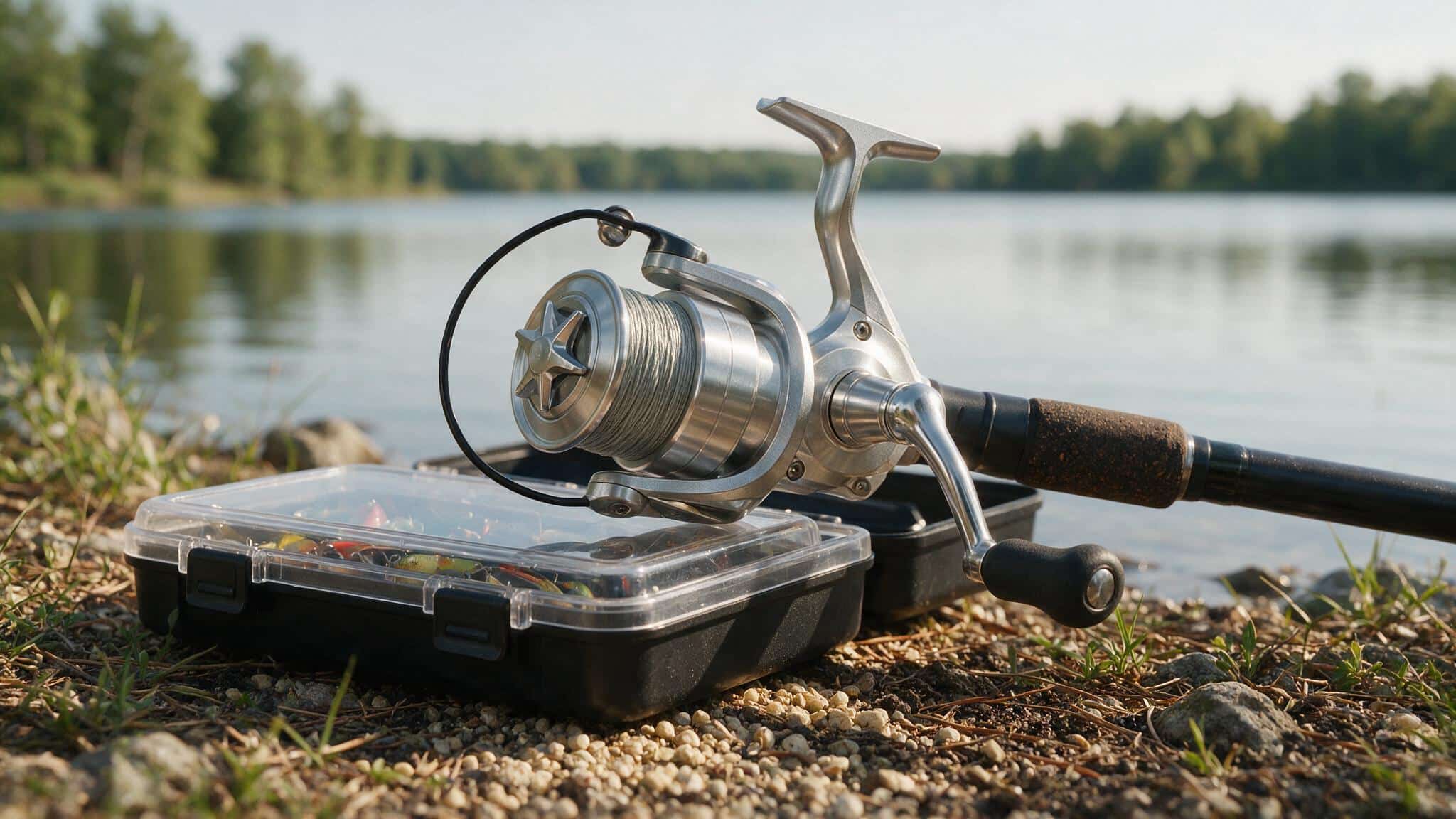
## size numbers actually mean something
Reel sizes are labeled 1000, 2500, 3000, 4000, and up into the 8000 to 10000 range for surf and big saltwater work. The number refers roughly to spool capacity and overall reel size, and it needs to match both your rod and your fishing line, not just your target fish. A 1000 or 2500 size suits light lines and finesse presentations for trout, panfish, and light bass work. A 3000 to 4000 covers most all-around bass, walleye, and inshore work, and it’s the size most anglers should own first. Anything above that is sized for line-hungry techniques like surf casting or heavier saltwater species where you need 200-plus yards of capacity, not typical pond or river fishing. Our guide to saltwater spinning reels covers that end of the lineup in more depth.
Buying a 4000 to fish 4 lb line for panfish means carrying dead weight on the end of your rod all day. Buying a 1000 to fish 20 lb braid for bass means running out of spool capacity and drag power the first time something decent takes line.
## gear ratio decides retrieve speed
Gear ratio is stamped on the reel as something like 5.2:1, 6.2:1, or 7.2:1, and it tells you how many times the spool rotates per single turn of the handle. Low ratios, 5.2:1 and under, turn slower but with more cranking power, which suits techniques that need a slow, controlled retrieve like deep crankbaits or big swimbaits. High ratios, 7.0:1 and up, move a lot of line per turn, which suits techniques where you need to cover water fast or take up slack quickly, like topwater walking baits or setting the hook at long range. A 6.0:1 to 6.2:1 ratio is the practical middle ground, and it’s the ratio to default to if you only own one spinning reel.
## drag system: front drag wins, and it’s not close
Front drag reels put the adjustment knob on top of the spool; rear drag puts it at the back near the handle. Rear drag reels are easier to adjust mid-fight without letting go of the handle, which sounds like an advantage until you look at what’s inside. Front drag systems use larger drag washers and produce smoother, more consistent drag under real load, especially as you push toward the reel’s max rated drag. Rear drag setups are common on budget reels because they’re cheaper to build, and the drag tends to be grabbier and less consistent at higher settings. Unless you’re fishing panfish on 4 lb test where drag barely matters, buy front drag. It’s not a close call.
## ball bearings: count matters less than placement and material
Reels get marketed hard on bearing count, and it’s mostly noise. A reel with 10 bearings and cheap bushings can feel worse than a reel with 5 well-placed, corrosion-resistant bearings. What actually matters is where the bearings sit (main shaft, line roller, spool) and whether they’re sealed or shielded against corrosion, especially for anything used near saltwater. A line roller bearing specifically prevents line twist, and reels that skip it in favor of a plain bushing there will twist your line faster over time. Don’t pick a reel off bearing count alone. Check what the bearings are actually doing.
## body material affects flex under sustained load
Graphite bodies are light and resist corrosion, which is fine for light and medium duty freshwater use. Under heavy drag pressure, though, a full graphite body can flex slightly, and that throws off gear alignment over time. Aluminum bodies weigh more but hold their shape under load, which matters more as you scale up in size and target bigger fish. Many mid-tier reels use a graphite body with an aluminum gearbox or frame insert as a compromise. For anything beyond light freshwater work, that hybrid construction or full aluminum is worth the extra weight.
## the bail is the part that fails first
The bail, the wire arm that flips open and closed to release and pick up line, takes more repetitive mechanical stress than almost any other part of the reel. Cheap bails develop play at the pivot point within a season of regular use, and eventually they stop closing fully or snap outright. If you fish often, flip the bail manually before buying and feel for play if you can. Expect to eventually replace it on any reel you own long enough. It’s a wear part, not a defect when it eventually goes.
## line capacity and line lay
The spool needs to hold enough line for your target species and technique, but it also needs to lay the line evenly across the spool as you reel, a process called oscillation. Reels with poor line lay leave line bunched at the ends of the spool, which causes loops and tangles on the cast. This is where cheap reels cut corners invisibly. Two reels can look identical on a shelf and cast completely differently because one has a properly tuned oscillation system and the other doesn’t. Read reviews for cast performance specifically, not just build quality, before trusting a new model.
## common mistakes anglers make with spinning reels
Overfilling or underfilling the spool causes most of the “bad reel” complaints that are actually spooling mistakes. Fill to about an eighth of an inch below the spool lip: overfilled spools cause loops on the cast, underfilled spools lose casting distance. If you’re not sure how to spool a reel correctly, fix that before blaming the reel itself.
Skipping maintenance does more damage over a season than most anglers realize. Saltwater exposure will corrode an unmaintained reel within months, and even freshwater use grinds down grease and invites grit into the gearbox over time. Reel maintenance, regular use of fishing reel grease on the right points, and knowing how to clean a fishing reel after a day on the water roughly double the working life of a mid-tier reel.
Pairing a reel that outclasses the rod it’s mounted on is the other mistake worth naming. A $200 reel on a $20 rod doesn’t improve your fishing. Matching reel quality to a rod chosen with the same care gets you further than upgrading one piece in isolation.
## what to actually buy
Skip anything under $30. The drag and bail will fail within a season, and you’ll spend more replacing it than you would have spent buying correctly the first time. For most freshwater anglers, a 3000-size, front drag, 6.2:1 gear ratio reel with a sealed line roller bearing and an aluminum or hybrid body, in the $60 to $120 range from an established brand, covers bass, walleye, and general all-around fishing without compromise. Our roundup of Shimano spinning reels covers specific models that fit that spec sheet closely. Go smaller only if you’re specifically fishing light line for panfish or trout. Go bigger only if you’re specifically targeting big water or saltwater species that demand the extra capacity and drag.