Shimano built its spinning reel lineup around a simple idea: keep the core engineering consistent across price tiers, then change the materials, bearing count, and drag capacity to hit different budgets. That makes shopping the lineup easier than most competitors once you understand what each tier actually buys you. This guide breaks down the Shimano spinning reels worth your money, from entry-level workhorses to reels built for anglers who fish hundreds of days a year.
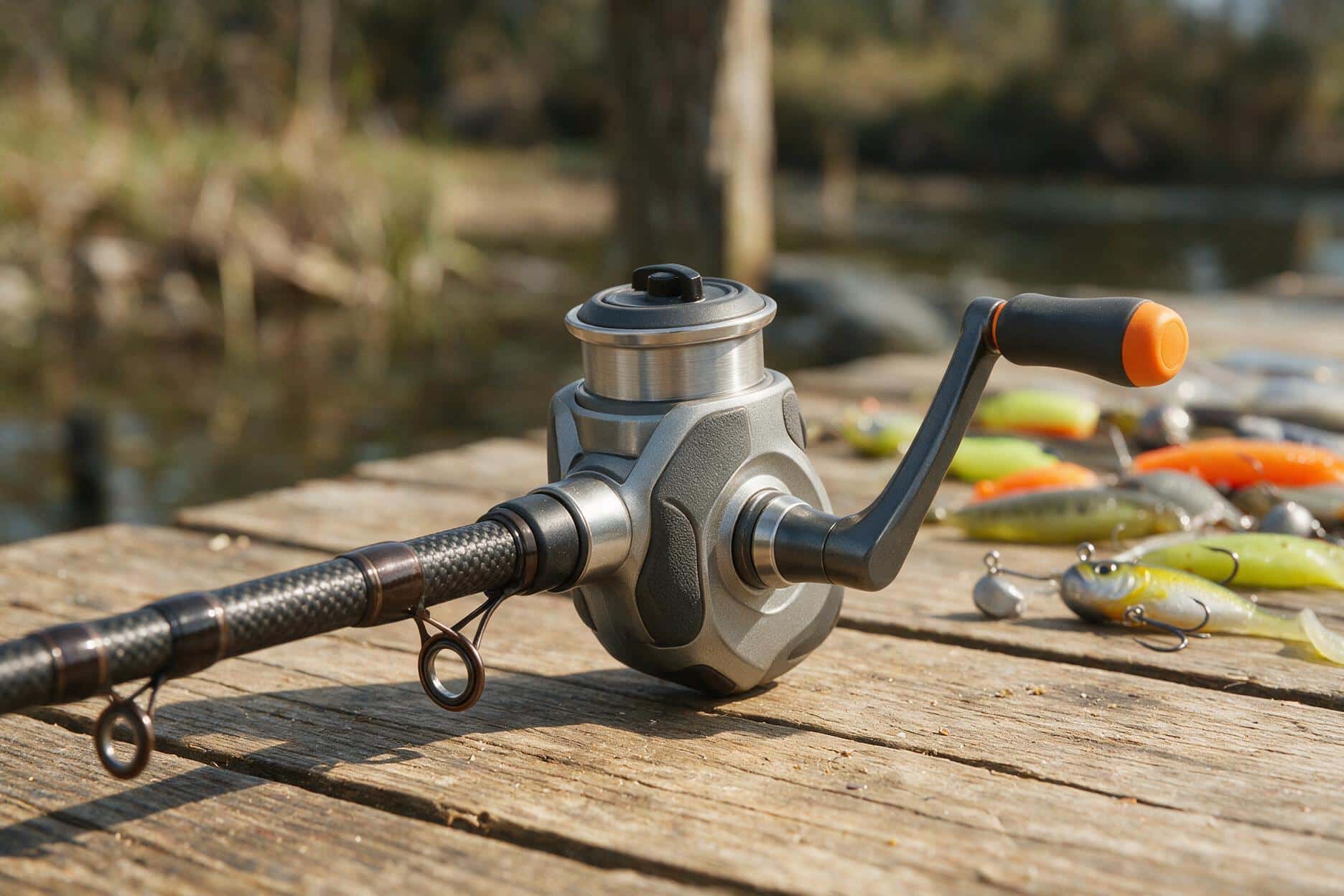
what actually separates one Shimano tier from another
The marketing names change every few years, but the underlying differences stay the same. Higher tiers get more ball bearings, which mostly improves long-term smoothness rather than day-one feel. They get better drag washers, often moving from felt-based to carbon composite material that resists heat and holds a consistent setting through a long fight. Body material shifts from reinforced plastic to aluminum to Shimano’s magnesium and carbon composites, which cuts weight and reduces flex under load. Waterproofing and sealing improve too, and that matters more than most anglers assume, since sand and salt intrusion is what actually kills a reel, not normal wear on the drive train.
None of this means the expensive reel catches more fish. It means the expensive reel keeps performing the same way after five seasons of real use, and the cheap reel starts to feel gritty and inconsistent after one.
Sedona FI: solid, but check what you’re giving up
The Sedona sits at the bottom of Shimano’s spinning lineup and it is a genuinely usable reel for occasional anglers. It uses Shimano’s basic Propulsion Line Management System for casting distance and a simple but functional drag. Where it falls short is bearing count and sealing, so it is not the reel to buy if you fish salt water regularly or leave gear in a rod locker that gets wet. Buy it for a backup rod, a kid’s setup, or a rental-cabin combo you don’t mind replacing in a few years. Do not buy it as your only reel if you fish more than a handful of times a month.
Stradic FL: the one most anglers should actually own
The Stradic is the reel Shimano built for people who fish often enough to notice the difference but don’t want to pay Stella money. It carries Shimano’s Hagane cold-forged gear, a metal body on most sizes, and a drag system that holds up under sustained pressure from bigger fish. The FL version added a slightly larger spool for better long-distance casting compared to older Stradic generations.
If you had to own exactly one Shimano spinning reel for a mix of bass, inshore saltwater, and general freshwater use, the Stradic in a 2500 or 3000 size covers that range better than anything else in the lineup. It is the reel that gets recommended most often for a reason: it does not force a compromise between price and durability the way the tiers above and below it do.
Vanford: light in the hand, not light on features
The Vanford exists for anglers doing repetitive casting all day, where every ounce in the hand adds up over hundreds of casts. Shimano’s MagnumLite rotor shaves weight without gutting the internals, so you get most of the Stradic’s durability in a noticeably lighter package. The tradeoff shows up in raw cranking power under heavy drag pressure, where the lighter build has a lower ceiling than the Stradic. For finesse fishing, trout, panfish, and light largemouth work, that tradeoff is worth it. For anything that regularly pulls drag hard, like heavier saltwater species, it is not the right pick.
Twin Power FD and Stella: what the extra money actually buys
Twin Power and Stella sit above the Stradic and the price jump is real, not just branding. Both add Shimano’s Infinity Drive and better sealing systems, and Stella in particular uses a level of machining tolerance and material quality that shows up as a near-total absence of play in the handle and rotor after years of hard use. For most weekend anglers, this is money spent on marginal gains. For guides and anglers who fish 100-plus days a year and put reels through genuine abuse, the extra durability and smoothness pay for themselves in reduced downtime and fewer repairs. Buying a Stella to fish twice a month is buying more reel than the use case justifies.
matching gear ratio to how you fish
Shimano offers most spinning reels in at least two gear ratios, and picking the wrong one costs you more than picking the wrong price tier. A lower ratio, in the 5.0:1 to 5.3:1 range, gives more cranking torque and suits slow-moving baits like spinnerbaits, swim jigs, and topwater walking baits where you don’t want to overwork the retrieve. A higher ratio, 6.0:1 and up, picks up line fast and suits techniques like flipping jigs, worming, and covering water quickly with reaction baits. Buying a single high-speed reel and using it for everything is a common mistake; the ratio should match the technique, not personal habit.
picking the right size
Reel size needs to match rod power and line weight, not just personal preference. A 1000 or 2500 size suits light spinning rods and 4 to 10 pound line for trout, panfish, and finesse bass work. A 3000 to 4000 size is the workhorse range for general bass and inshore saltwater fishing with 10 to 20 pound line. Anything above a 5000 moves into surf and heavier inshore or nearshore work. Our spinning reels buying guide covers sizing and gear ratio selection in more depth if you’re building a full setup rather than just replacing a reel.
keep it running: maintenance matters more than the price tag
A mid-tier reel that gets rinsed after every saltwater trip and re-greased once a season will outlast a premium reel that never sees maintenance. Salt crystallizes in the smallest gaps in a reel body and works like sandpaper on the internals over time. Our reel maintenance guide and reel repair guide cover the specific steps, but the short version is: rinse with fresh water after every saltwater session, never spray water directly into the body under the handle knob, and open the reel for a proper cleaning at least once a year if you fish regularly.
which one to actually buy
Buy the Sedona only as a backup or occasional-use reel. Buy the Vanford if casting weight matters more to you than maximum drag power. For nearly everyone else, the Stradic is the right call: it is durable enough for daily use, smooth enough to notice, and priced well below the point of diminishing returns that Twin Power and Stella live in. Save the top tier for the day you’re fishing hard enough, often enough, that a backup reel budget stops making sense.