A rod and reel combo gets dismissed by a lot of experienced anglers as a beginner product, something you buy once and upgrade away from as soon as you know better. I used to think that way too, until I actually started paying attention to why combos exist and who they are genuinely good for. They are not just a marketing gimmick for big box stores. Done right, a combo solves a real problem: matching a rod and reel to each other is harder than it looks, and getting that match wrong hurts your casting and your fish-fighting a lot more than most beginners realize.
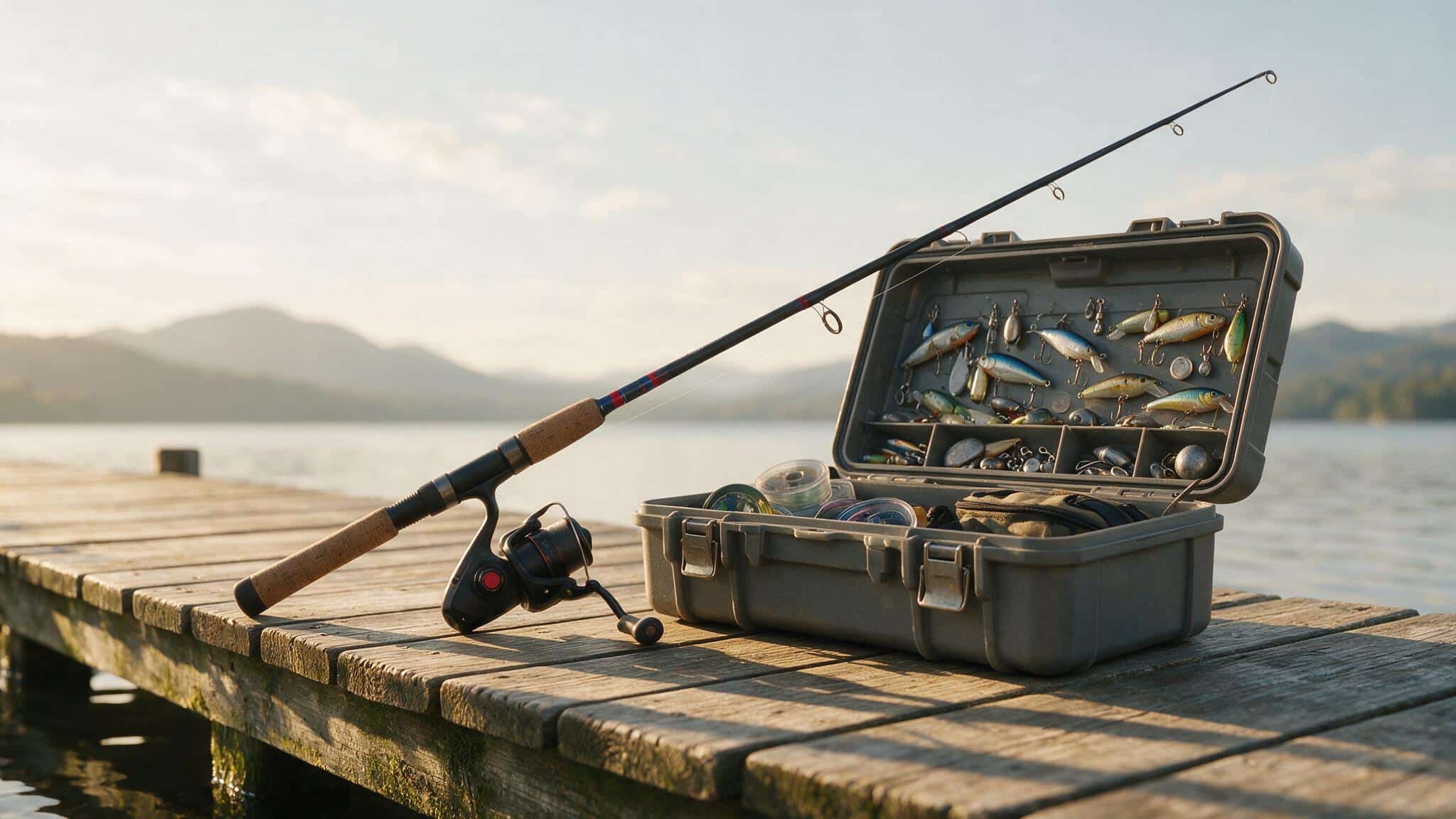
why a matched combo actually makes sense
A rod built for a specific power and action rating needs a reel that balances it, both in physical weight and in line capacity. Buy them separately without understanding the relationship between rod power, reel size, and line weight, and you can end up with a whippy rod paired to a reel too heavy for it, or a stout rod paired to a reel that cannot hold enough line for what you are targeting. Combos remove that guesswork because the manufacturer already worked out the pairing, at least at a basic functional level.
This matters most for anglers who do not yet have the experience to judge a pairing on their own, which is most people buying their first serious setup. It also matters for anyone buying a backup rod, a loaner for a friend, or gear for a kid who is not going to appreciate a hand built pairing anyway.
where combos cut corners
The reel in a combo is usually fine. The line spooled onto it at the factory is often not. Cheap monofilament that has been sitting on a spool in a warehouse for months loses some of its manageability, and I respool almost every combo I buy before the first trip out. Budget that cost into your decision, because a forty dollar combo with twelve dollars of fresh line is a very different product than the same combo fished straight off the shelf.
Combos also limit your ability to fine-tune. If you already know you prefer a slightly faster action or a specific gear ratio, buying separately gives you that control. A combo is a compromise built for the average angler doing average things, and if you are not average in your preferences yet, that is fine, because most beginners genuinely are still figuring out what they prefer.
spinning combos: the right call for most people
If you are buying one combo and are not sure yet what you will mostly fish for, get a spinning combo. Spinning gear handles light lines and lighter lures better, backlashes are not a concern the way they are with baitcasters, and the learning curve is dramatically shorter. A 2500 to 3000 size spinning reel paired with a six and a half to seven foot medium action rod covers an enormous range of freshwater fishing, from panfish to bass to modest catfish.
I still recommend spinning setups to anyone asking me for a single all-purpose combo, spouse included. It is not the exciting answer, but it is the correct one for someone who has not yet decided which techniques they actually enjoy.
baitcasting combos: for a specific kind of angler
A baitcasting combo makes sense once you already know you want to throw heavier lures, need more casting accuracy for pitching into cover, or are targeting species where you want stronger drag and cranking power, largely bass, and larger catfish. The rod and reel pairing in a quality baitcasting combo tends to be tuned toward moderate power and a mid-range gear ratio, which is the same forgiving setup I would recommend to a beginner buying components separately.
Do not buy a baitcasting combo as your very first rod and reel if you have never used a baitcaster before, unless you are genuinely prepared for a learning curve involving some backlash. It is not difficult once you understand thumb control and brake settings, but it is a different skill than spinning gear, and a combo does not remove that learning curve just because the parts arrived matched.
what to actually check before buying
Look at the rod power and action rating printed near the handle, usually something like medium or medium-heavy with fast action. Match that to what you are targeting: lighter power for panfish and trout, medium to medium-heavy for bass and walleye, heavy for larger catfish or saltwater inshore work. Check the reel size number too, since a 1000 size reel paired with a heavy rod is a mismatch even inside a pre-built combo, and it does happen on lower quality products.
Feel the reel handle and drag if you can before buying. A gritty retrieve or a drag that grabs instead of releasing smoothly is a sign of a combo built down to a price point rather than up to a standard, and no amount of fresh line fixes a bad reel underneath.
picking between rod length and reel size for your target species
Shorter rods, six to six and a half feet, give you more accuracy for tight casting around docks and structure. Longer rods, seven feet and up, give you more casting distance and better leverage on bigger fish. Reel size should scale with line weight and target species size rather than with rod length directly, so do not assume a longer rod automatically needs a bigger reel.
If you want to go deeper on any piece of this separately, our guides cover it in full: the fundamentals of choosing the right rod, the complete buying guide to spinning reels, and the complete buying guide to baitcasting reels all break down what actually matters once you are ready to move past a pre-matched combo.
A combo is not a lesser product, it is a different decision. Buy spinning if you are not sure yet, buy baitcasting once you know you want the control it offers, respool the line before your first trip regardless of which you choose, and stop treating the pre-built pairing as a permanent limitation instead of a starting point you can upgrade piece by piece later.