Finding good fishing spots is rarely about luck; it is a habit of noticing structure other anglers walk past. Reading current breaks, drop-offs, and cover before you cast turns a guess into a plan on any river, lake, or pond.
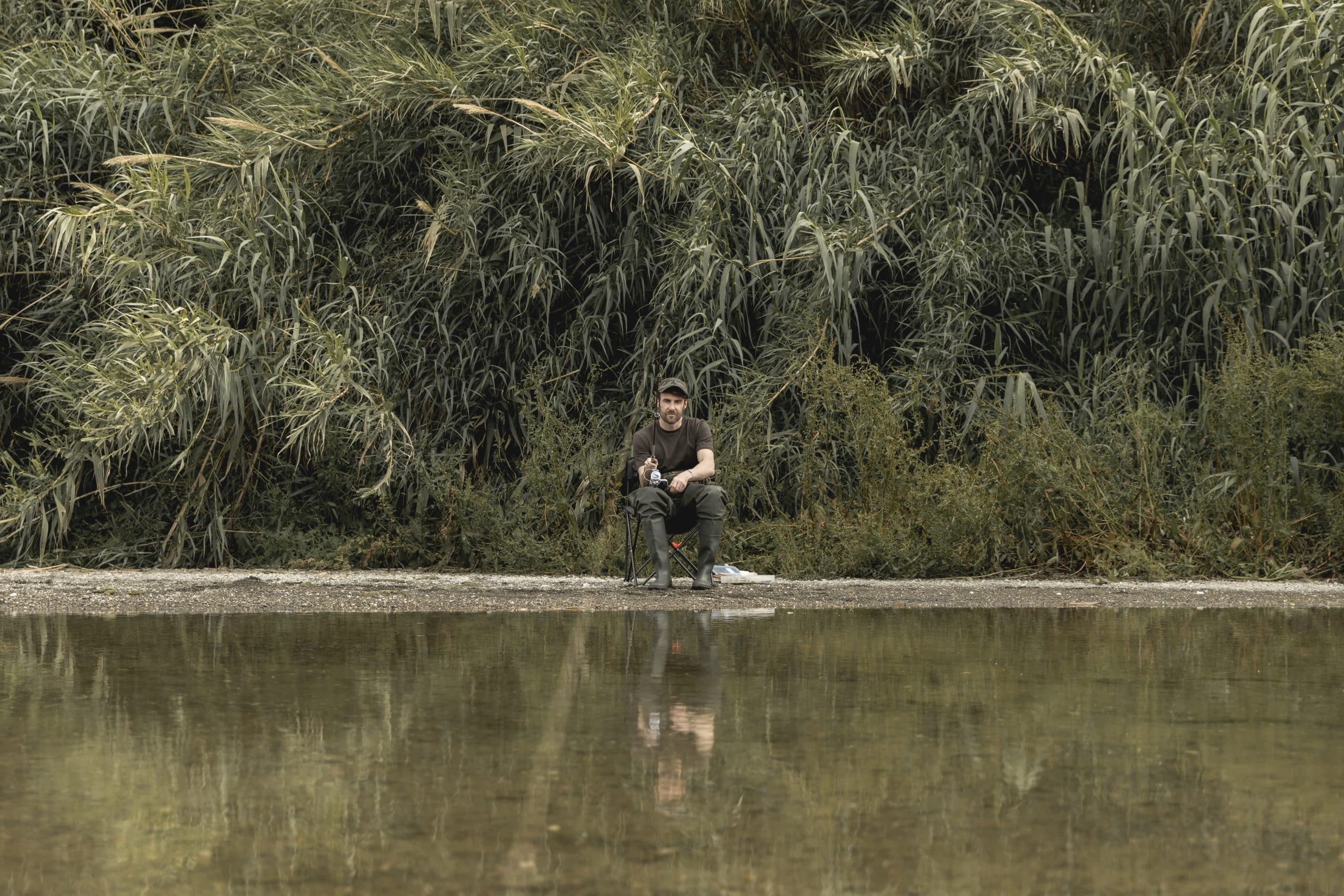
what makes a fishing spot productive
The short answer is food, cover, and comfortable water conditions overlapping in one place. Fish do not spread evenly across a river or a lake; they stack where a current break lets them hold with less effort, where shade or weeds hide them from predators, and where temperature and oxygen levels suit the species you are after. Learning how to find good fishing spots means training yourself to notice those overlaps instead of casting at open, featureless water just because it sits within reach of the parking lot. A spot can look plain and still fish well, or look scenic and hold nothing at all.
reading moving water: current breaks and depth changes
On a river or a strong-flowing creek, current does most of the work of arranging fish for you. Look for seams where fast water meets slow, the downstream side of boulders and fallen trees, and the deeper slot on the outside of a bend where the current has cut the bottom lower than the flat water around it. Riffle-to-pool transitions are worth a cast too, since baitfish and insects wash through the faster water and collect where it slows down. A stretch that looks unremarkable from the bank can hold fish reliably if the current underneath is doing that kind of work, and a stretch that looks fast and exciting can be nearly empty if it offers no break at all.
reading still water: structure and drop-offs
Lakes, reservoirs, and ponds hide their structure below the surface, so you end up reading clues instead of the water itself. A steeper bank usually means a faster drop-off close to shore, which is worth fishing early and late when fish move shallow to feed. A gentle, gradually sloping bank spreads fish over a wider area and rewards covering more water rather than working one spot. Points, submerged humps, and the mouths of feeder creeks concentrate fish because they sit at the intersection of shallow and deep water, and fish use them as travel lanes between the two. Our lake fishing guide goes deeper into working these features once you have narrowed down a general area.
clues you can see from the bank
Some of the best information is visible before you ever wet a line. Baitfish flicking on the surface, birds working a stretch of water, and visible weed lines or submerged timber all point to areas holding fish. Watch for slight color changes on the water too: a slightly darker band often marks a deeper channel or a drop-off that would otherwise be invisible from land. Downed trees, dock pilings, and rock piles are easy to spot and just as easy to overlook if you are staring only at open water in the middle of a lake or river. If you are working the bank rather than a boat, our bank fishing guide covers how to read these same clues while staying mobile on foot.
using a map before you ever get wet
A satellite map or a topographic map can do in five minutes what an afternoon of blind exploring might not. Look for points, coves, creek channels, and any spot where a contour line bends sharply; that bend is a drop-off on the ground. Satellite imagery taken during a dry season can also reveal old roadbeds, foundations, and stands of timber that stay underwater the rest of the year and hold fish around their edges once flooded again. Cross-reference what the map shows with a public access point or boat ramp nearby, since a great-looking spot is only useful if you can actually reach it legally and safely.
seasonal changes worth tracking
A spot that produces in one season can go quiet in another as fish shift with water temperature and available forage. In spring, shallow coves and flats warm first and pull fish in to feed and spawn. Through the heat of summer, many species slide toward deeper structure or shaded cover during the day and move shallow again at dawn, dusk, and after dark. Cooling water in fall often pushes baitfish, and the fish following them, back toward the banks and creek arms. A small pond can show this pattern just as clearly as a large reservoir; our pond fishing guide walks through what to expect across a season on smaller water. None of this means starting over every few months. It means keeping a mental note of which depth and cover type produced, then checking nearby water at a similar depth when conditions shift.
spots that look good but rarely produce
Not every attractive-looking spot holds fish. A picture-perfect stretch of bank with no current, no depth change, and no cover nearby is often just as empty as it looks; fish need a reason to be there beyond scenery. Areas with heavy foot traffic, frequent boat wakes, or bright, unshaded water in the middle of the day tend to get pressured or avoided outright. If a spot looks ideal on the map but produces nothing after a fair try, and there is no structure, current break, or cover to explain why fish would hold there in the first place, it is usually worth moving on rather than waiting it out.
building your own list of proven spots
The fastest way to stop guessing is to keep a simple record of what actually works: date, water body, approximate depth, cover type, and what you caught. Over a season or two, patterns show up that no map or article can predict for your specific water. A public pond that fishes best off the northeast corner in early morning, or a river bend that only produces after a rain raises the water slightly, are the kind of details only your own notes will capture. Treat every trip as one more data point, even the slow ones, and the list of spots worth returning to grows on its own.
Good fishing spots reward attention more than effort. An angler who reads current, structure, and the small visible clues on the bank will consistently out-fish someone covering twice the water at random, on a farm pond or a big reservoir alike. Start with the water closest to home, ask the same questions each time you scout, and the spots that produce will start to stand out on their own.